
Location
*Click on the map below to get directions*
OS Map Reference
SK 458155 (Sheet 129)View on What3Words

Know before you go
Dogs
When to visit
Opening times
Always open, but please note restrictionsBest time to visit
SpringAbout the reserve
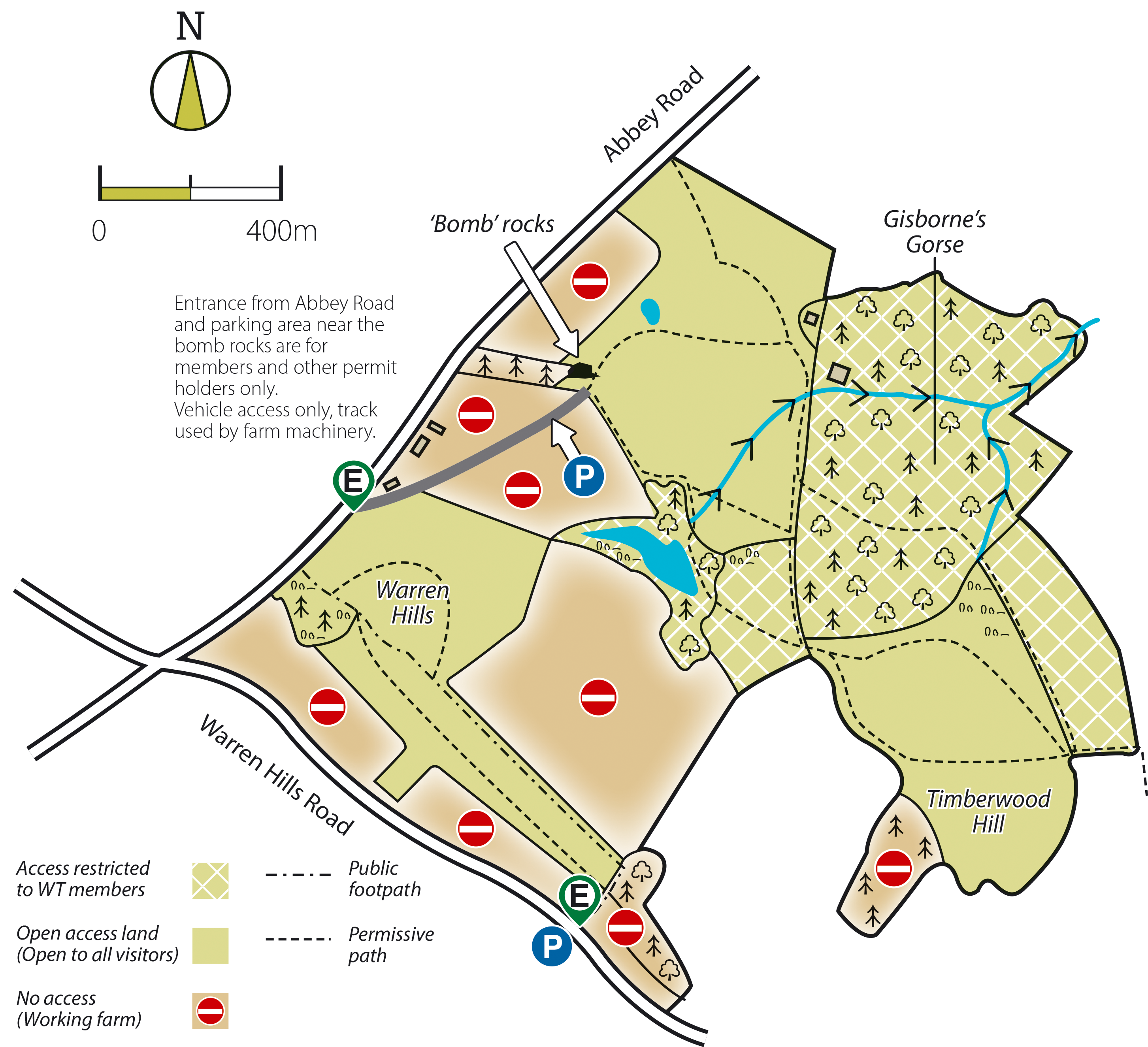
Parts of our beautiful Charnwood Lodge Nature Reserve are accessible to members only, including a members parking area. To see which areas of the reserve are members only, please refer to the reserve map at the bottom of the webpage.
Designated by Natural England as a National Nature Reserve (NNR), Charnwood Lodge is recognised as an important site for wildlife and outstanding natural features. It has been awarded this status largely because of its exceptional geological significance. The reserve is notable for the ‘bomb’ rocks; volcanic blocks dating back to the Ediacaran Period, around 600 million years ago. The Ediacaran marks a pivotal chapter in Earth’s history, when the earliest complex life forms first began to emerge. At that time, Charnwood formed part of a volcanic island chain, a fact that captures the imagination as you stand among these truly ancient rocks. Charnwood Lodge is one of the last truly wild areas in Charnwood Forest. Birds, bats, wildflowers, woodland butterflies, native trees, mosses and lichen all benefit from traditional, minimal management. It’s worth returning at different times of year so that you can experience that changing seasons fully and enjoy the species that the nature reserve attracts. As well as the forest, the area enjoys a reservoir, streams, ponds and fields. This is the perfect reserve for both ardent naturalists and those just wanting to get away from the city for a relaxing walk. Buzzard, Kestrel and Sparrowhawk are now quite common, and there have been several sightings in recent years of Hobby. In the spring and summer, listen out for Tree Pipits and migrant Warblers. All three species of woodpecker occur, although the Lesser Spotted Woodpecker is rare. In the summer at dusk, keep an eye out for bats. Ten species of bat have been recorded on the reserve and both species of Pipistrelle and the rare Natterer's breed here. Holly Blue and Green Hair-streak Butterflies can be seen, usually in May, and the reserve is excellent for spotting moorland moths, like the neglected Rustic and Glaucous Shears. The large tracts of heath grassland are dotted with Bilberry, while marshes and boggy pools host wildflowers, such as Marsh Violet, Lesser Skullcap, Creeping Willow and Climbing Corydalis. Several locally rare ferns grow here, including Lemon-scented and Hard-fern, and there are rare species of Sedge. The reserve is currently the only known site in the counties for several species of mosses and liverworts. |